JEEVAN SUNDARAM PHYSIOTHRAPY AND AYURVEDIC CENTRE (जीवन सुन्दरम फिजियोथेरेपी और आयुर्वेदिक केंद्र)
Contact Us
Visiting Address
Laxmi Marriage Garden
lalsot
dausa,Rajasthan
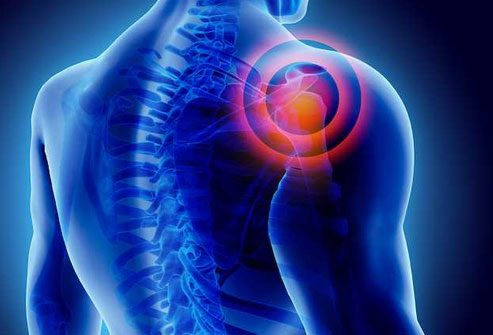
Frozen shoulder
Frozen shoulder, also called adhesive capsulitis, involves stiffness and pain in the shoulder joint. Signs and symptoms typically begin slowly, then get worse. Over time, symptoms get better, usually within 1 to 3 years. Having to keep a shoulder still for a long period increases the risk of developing frozen shoulder.
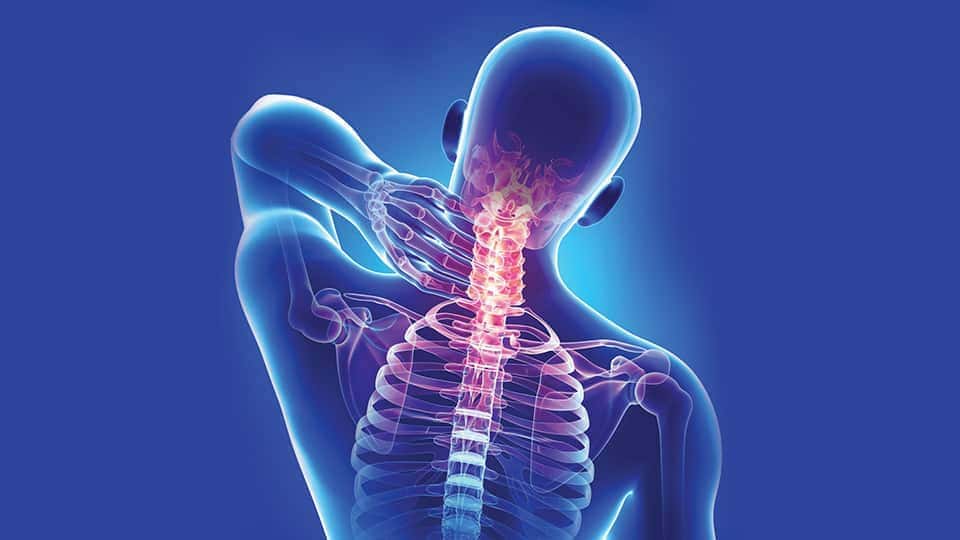
Cervical spine
The first seven vertebrae in the spine, which make up the neck region. The cervical spine supports the head's weight, protects the spinal cord, and allows for a wide range of head movements. Conditions that can affect the cervical spine include neck pain, arthritis, and degenerative bone and disk disease.
Cervical cancer
Cancer of the uterine cervix, which is the lower, narrow end of the uterus. Cervical cancer is caused by the human papillomavirus (HPV), a sexually transmitted infection. Risk factors for cervical cancer include smoking, having multiple sexual partners, having early sexual activity, and having other sexually transmitted infections. The World Health Organization recommends that women be screened for cervical cancer every 5–10 years starting at age 30.
Tennis elbow, also known as lateral epicondylitis, is a condition that can result from overuse of the muscles and tendons in the elbow. Tennis elbow is often linked to repeated motions of the wrist and arm. Despite its name, most people who get tennis elbow don't play tennis.
Ankylosing spondylitis is a type of arthritis that causes inflammation in the joints and ligaments of the spine. It may also affect peripheral joints like the knees, ankles, and hips. Normally, the joints and ligaments in the spine help us move and bend.
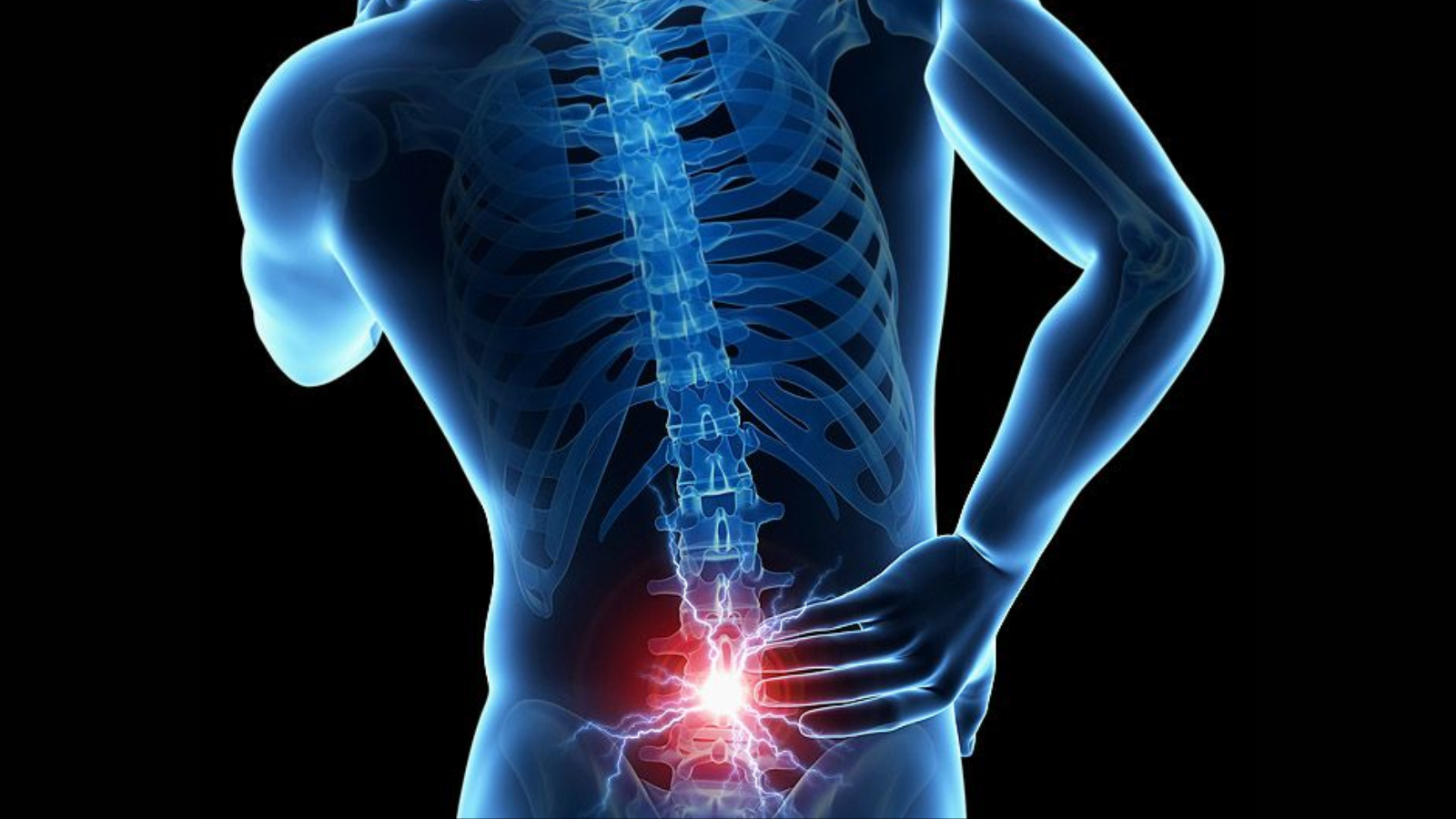
A herniated (slipped or bulging) disk occurs when the soft, jelly-like center of a disk in your spine pushes against and leaks out of its outer ring. This can lead to pain, numbness and weakness in your neck, back or legs. Herniated disks usually heal on their own within four to six weeks. If symptoms persist, see a healthcare provider.
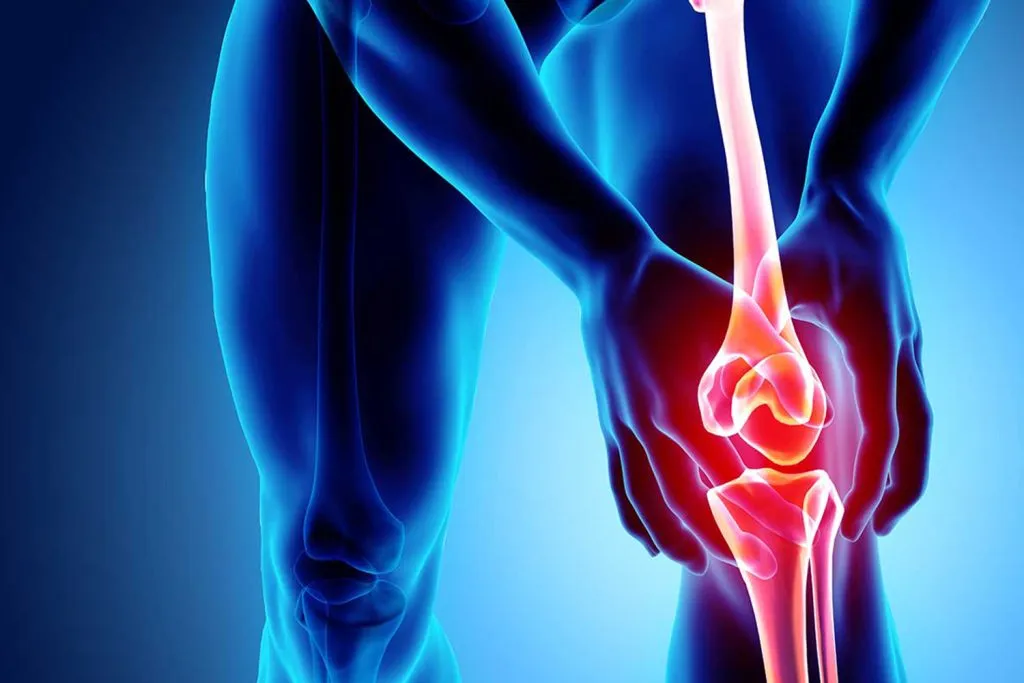
The most common causes of knee pain are related to aging, injury or repeated stress on the knee. Common knee problems include sprained or strained ligaments, cartilage tears, tendonitis and arthritis.
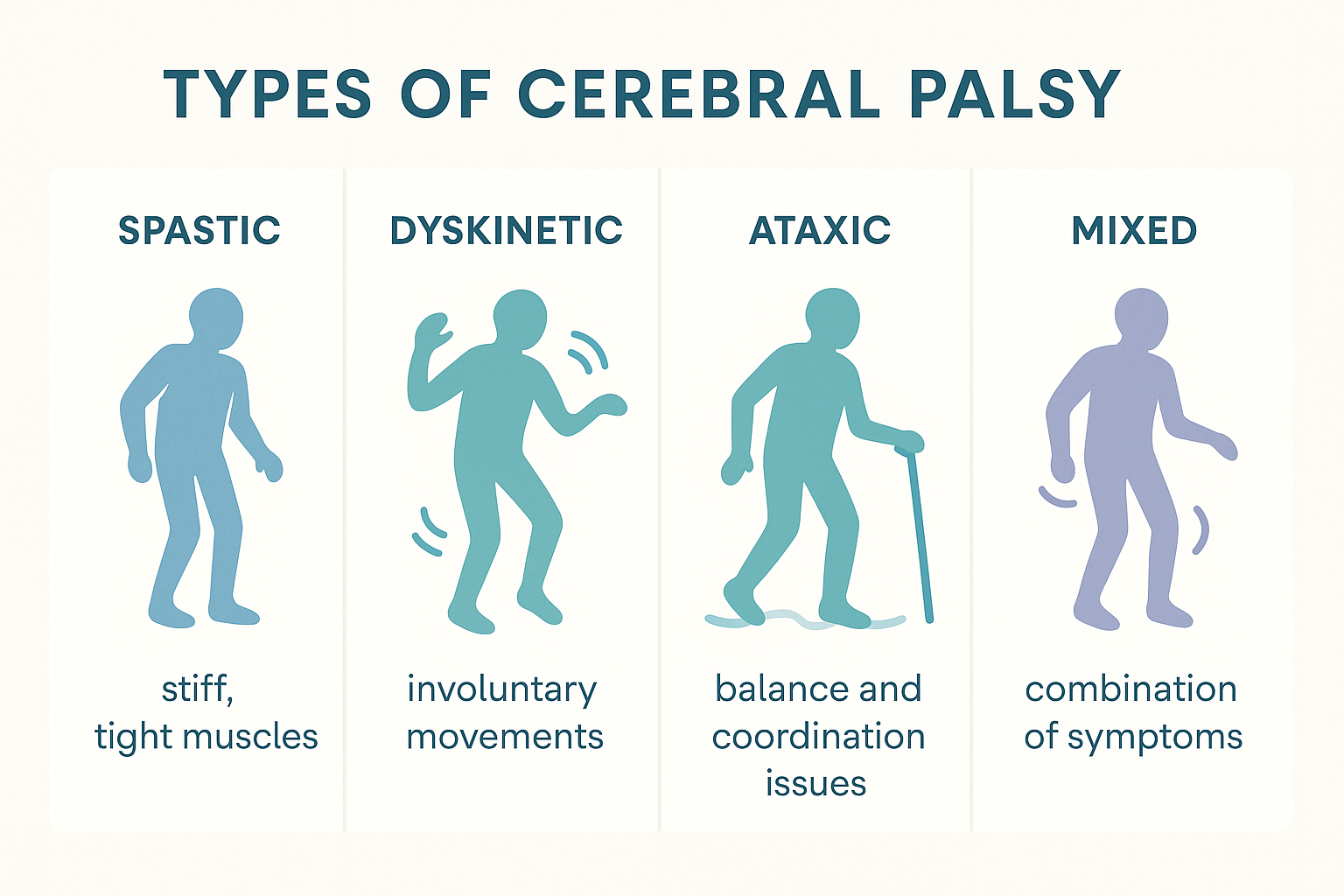
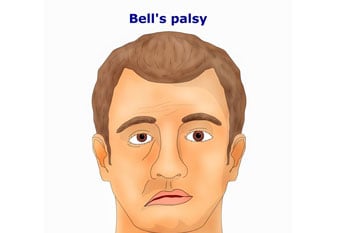
Paralysis occurs when you're unable to make voluntary muscle movements. A nervous system problem causes paralysis. Nerves send signals to your muscles. Those signals make your muscles move. When you're paralyzed, or have paralysis, you can't move certain parts of your body.
Joints are important parts of the body that help limbs move. If a person experiences pain in the joints, known as arthralgia, it can be uncomfortable and affect their ability to partake in daily activities.
A joint is a point where bones make contact, connecting the skeletal system. Most joints are mobile, which allows the body to make different types of movement. There are three kinds of joint: fibrous, cartilaginous, and synovial.
Fibrous joints are usually immovable. They include the cranium in the skull, the joints between the teeth and the sockets in the jaw, and the joints between the bones of the lower leg.
Cartilaginous joints are those where cartilage joins two bones. These joints are partially movable. One example is the joint between the right and left pubic bone.
Synovial joints are the joints that allow limbs to move freely. These joints have a cavity in them that contains synovial fluid. This fluid allows the bones that connect the joint to move around with ease. Some examples include the knee, elbow, hip, and shoulder.
Paralysis occurs when you're unable to make voluntary muscle movements. A nervous system problem causes paralysis. Nerves send signals to your muscles. Those signals make your muscles move. When you're paralyzed, or have paralysis, you can't move certain parts of your body.
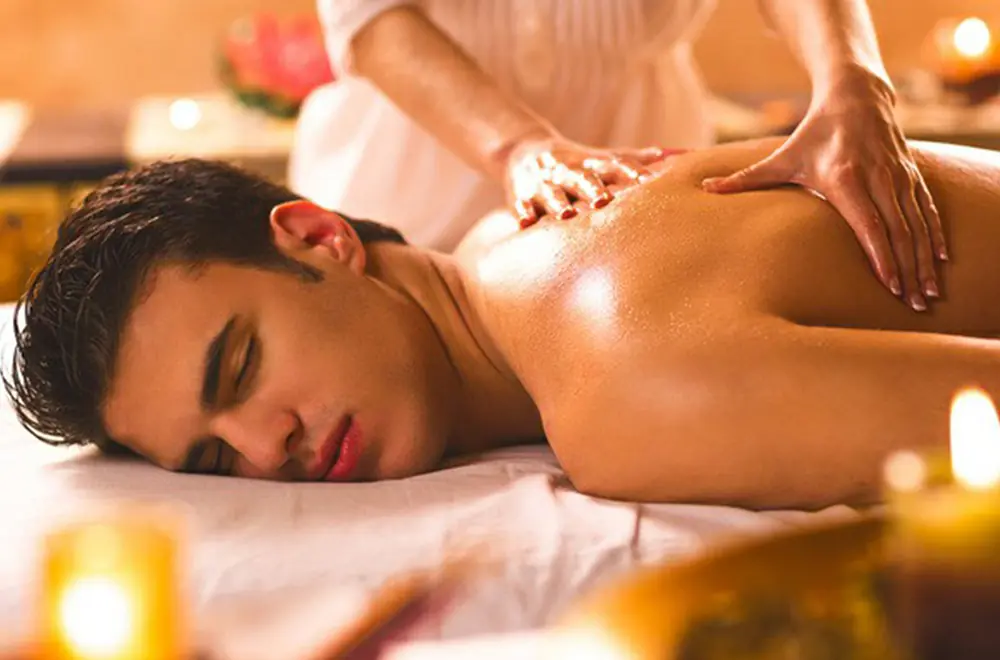
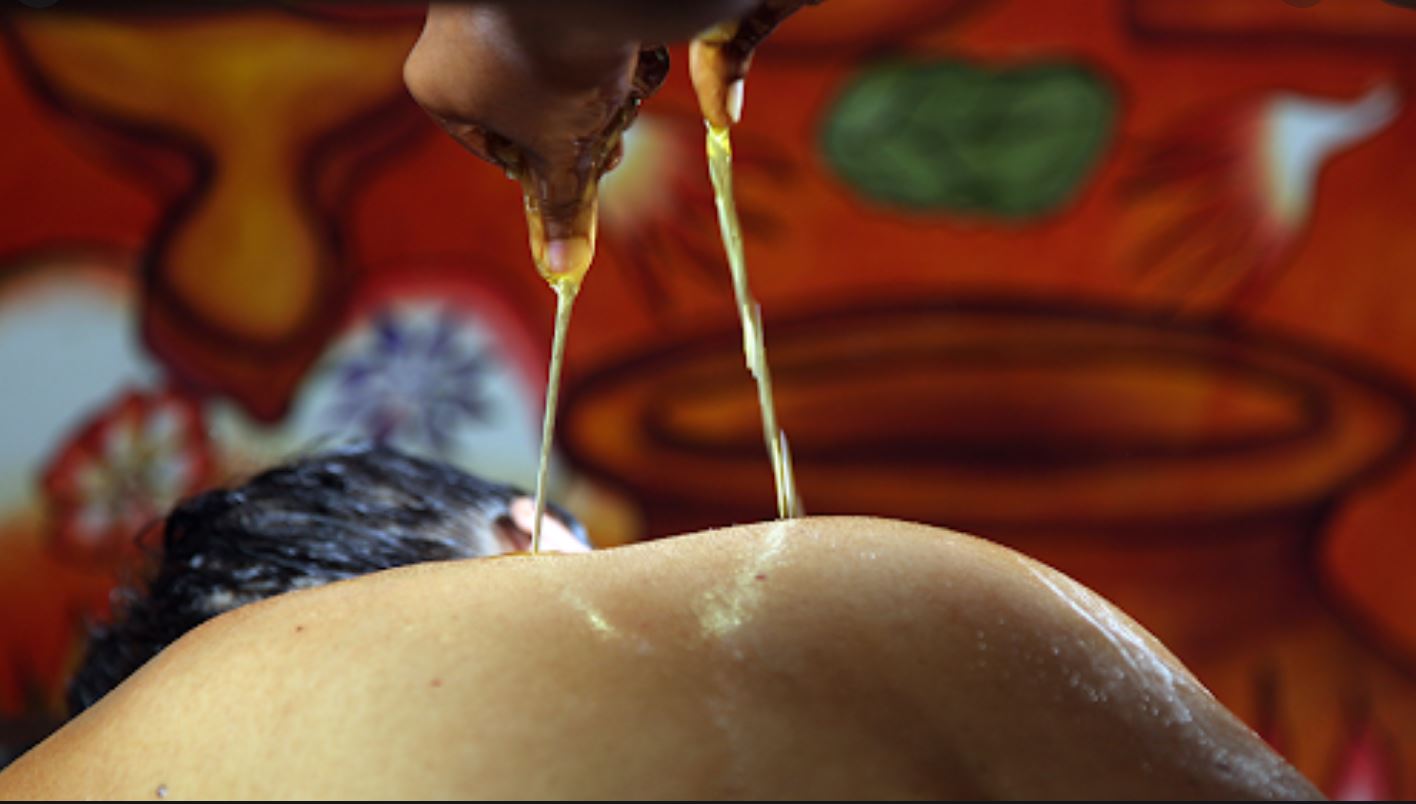
Ayurveda neuro therapy is a holistic approach that seeks to balance the body's doshas (Vata, Pitta, and Kapha) to treat neurological disorders. This ancient practice combines various therapeutic techniques to detoxify the body, enhance circulation, and calm the nervous system. One of the cornerstone treatments is Panchakarma, a comprehensive detoxification process designed to eliminate toxins and restore doshic balance. Another key therapy is Abhyanga, a full-body oil massage that improves circulation, reduces stress, and enhances overall vitality. Shirodhara, involving the continuous flow of medicated oil on the forehead, is particularly effective in calming the nervous system and promoting mental clarity. Additionally, Nasya, which entails the nasal administration of medicated oils, helps cleanse and rejuvenate the brain and nervous system. Basti, herbal enemas, are used to detoxify the colon and balance the Vata dosha, thereby addressing digestive issues that may affect neurological health. Through these and other tailored treatments, Ayurveda neuro therapy aims to alleviate symptoms, address the root causes of neurological disorders, and promote long-term health and well-being.
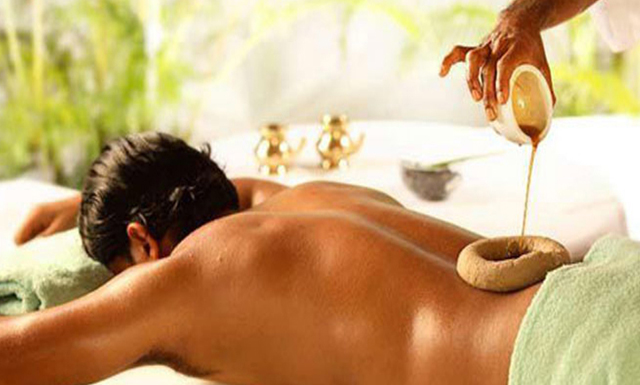
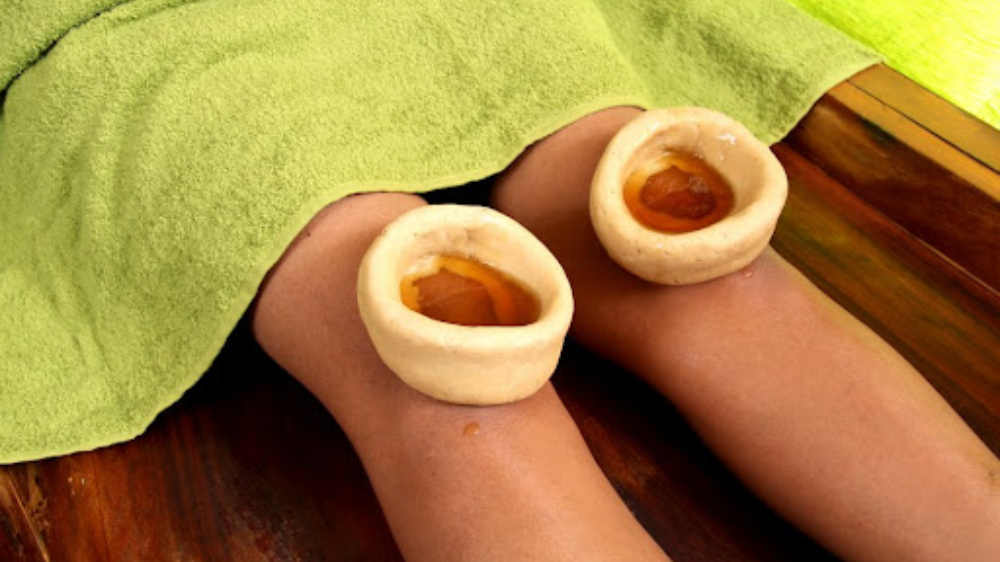
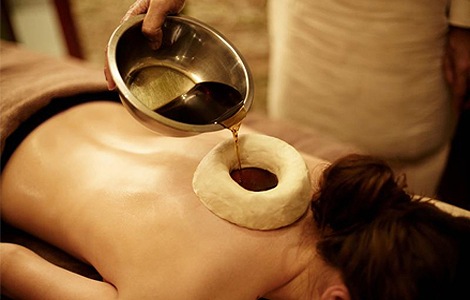
Kati Basti is an Ayurvedic therapy designed to alleviate lower back pain by applying warm, medicated oil to the lumbar region. A dough ring, made from black gram or wheat flour, is placed on the lower back and filled with warm, herb-infused oil, which is maintained at a specific temperature for 30-40 minutes. This treatment helps reduce muscle spasms and inflammation, strengthens muscles and tissues, enhances blood circulation, and detoxifies the area. Post-treatment, a gentle massage may be given, and patients are advised to rest. Kati Basti is effective for providing relief from chronic pain and improving overall lumbar health.